
Difference Between Trademark, Copyright, and Patent in India
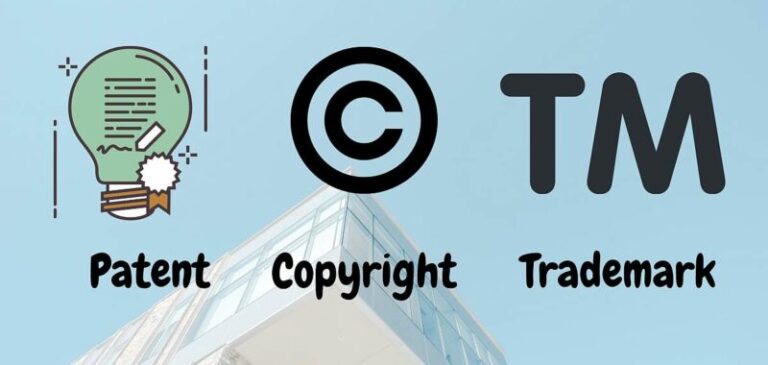
Protecting your intellectual property is essential when launching a business or producing original content. In India, a lot of business owners, artists, and inventors frequently confuse trademark, copyright, and patent registration. Although they all safeguard intellectual property, their functions differ.Understanding trademark vs copyright vs patent is important for anyone starting a business or creating original work in India. These three types of intellectual property protect different aspects of innovation and branding.
In this blog, we’ll go over the distinctions between patents, trademarks, and copyright in India, as well as their advantages and the reasons you should register them with Legal Hind for full protection.
What is a Trademark in India?
What is Copyright in India?
Original creative works, including music, movies, books, artwork, software, and digital content, are protected by copyright. It guarantees that the owner of the work has the sole authority to use and distribute it.
For instance, once created, a novel, music album, or painting is automatically protected under Indian copyright law; however, registration offers more robust legal support.
Copyright registration in India stops your original work from being sold, reproduced, or copied without permission.
What is a Patent in India?
A new product, process, or invention that offers a special technology or solution is eligible for a patent. For a set amount of time—typically 20 years in India—it grants the inventor the sole right to create, utilize, or market the invention.
For instance, patent registration in India can provide protection for novel machinery, pharmaceutical medications, and medical devices.
A patent guarantees that your invention cannot be manufactured, sold, or reproduced without your consent.
Key Difference Between Trademark, Copyright, and Patent
| Feature | Trademark | Copyright | Patent |
|---|---|---|---|
| What it Protects | Brand names, logos, taglines, symbols | Original creative works like books, music, films, art, software | Inventions, processes, products, and technologies |
| Validity | 10 years (renewable) | Lifetime of author + 60 years | 20 years (non-renewable) |
| Example | Coca-Cola logo, Amazon tagline | A novel, a movie, a painting | A new drug formula, a new machine |
| Purpose | Protects brand identity | Protects creativity & originality | Protects innovation & technology |
| Registration Authority | Controller General of Patents, Designs, and Trademarks | Copyright Office, Government of India | Indian Patent Office |
Why You Need Trademark, Copyright, or Patent Registration
Business security guards against competitors abusing your company name or logo and preserves your brand identity.
- Legal Protection: This gives you the ability to sue those who violate your rights.
- Market advantage: Increases company credibility and fosters customer trust.
- Financial Gains: Your intellectual property may be sold, licensed, or franchised.
Every form of trademark, copyright, or patent registration in India offers you a competitive advantage in the marketplace.
Common Mistakes People Make
- Assuming copyright automatically protects all works (registration gives stronger legal authority).
- Using a brand name without checking Trademark availability in India.
- Delaying Patent Registration, which risks someone else filing it first.
How to Register Trademark, Copyright, or Patent Through Legal Hind:
At Legal Hind , we simplify the entire process of protecting your intellectual property in India.
Trademark Registration in India through Legal Hind:
-
Name/logo search & availability check
-
Online filing of TM application
-
End-to-end documentation support
Copyright Registration in India through Legal Hind:
-
Drafting & submission of copyright application
-
Handling scrutiny from Copyright Office
-
Certificate of registration delivered online
Patent Registration in India through Legal Hind:
-
Drafting patent specification
-
Filing with Indian Patent Office
-
Assistance in examination & approval process
With Legal Hind , you get expert guidance, quick filing, and affordable packages for Trademark, Copyright, and Patent Registration in India.
Conclusion:
The difference between Trademark, Copyright, and Patent lies in what they protect—Trademarks safeguard brands, Copyrights protect creativity, and Patents secure inventions. For businesses, creators, and innovators, these registrations are essential to prevent misuse and establish legal ownership.
With Legal Hind, you can register your Trademark, Copyright, and Patent in India quickly, affordably, and without complications.
Frequently Asked Questions (FAQs):
What is the difference between Trademark and Copyright in India?
A Trademark protects brand identity (logos, names, symbols), while Copyright protects creative works like books, films, and music.
How long is a Patent valid in India?
A Patent Registration in India is valid for 20 years and cannot be renewed.
Is Trademark Registration mandatory in India?
No, but Trademark Registration in India is highly recommended to prevent others from using your brand name or logo.
Can software be copyrighted in India?
Yes, original software codes and applications are protected under Copyright law in India.
How can Legal Hind help in Trademark, Copyright, and Patent registration?
Legal Hind provides expert guidance, online filing, and complete legal support for all types of intellectual property registration in India.
Can I register both Trademark and Copyright for my brand logo?
Yes, you can register a Trademark for your logo to protect brand identity and also get Copyright protection as an artistic work.
What happens if I don’t register a Trademark in India?
Without Trademark Registration in India, anyone can use your brand name or logo, and you may not have strong legal protection against infringement.
Is Patent Registration expensive in India?
The cost of Patent Registration in India depends on the complexity of the invention, but filing through Legal Hind makes it affordable and hassle-free.