
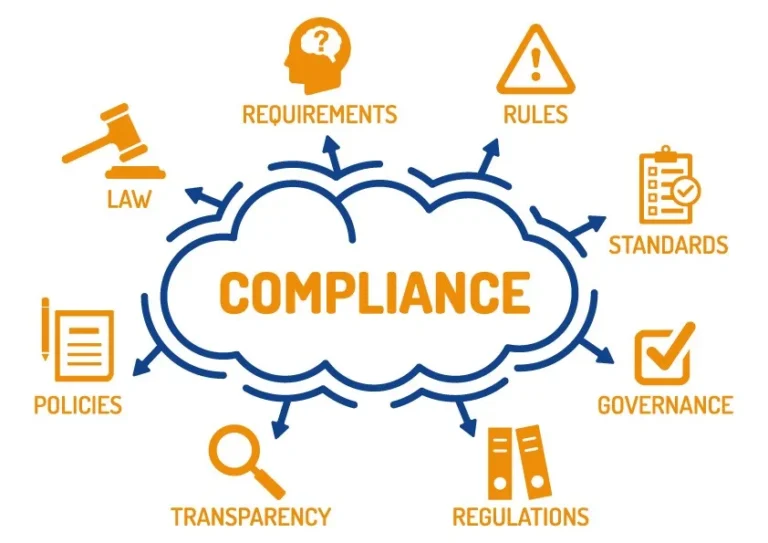
Legal Hind provides professional Company Compliance Services to ensure your business operates smoothly while meeting all statutory and regulatory obligations.
Company compliance refers to following all the laws, rules, and regulations applicable to a company under various authorities such as the Ministry of Corporate Affairs (MCA), Income Tax Department, GST Department, and other regulatory bodies. Proper compliance helps businesses avoid penalties, maintain transparency, and build long-term credibility.
At Legal Hind, our experts help startups, SMEs, and established companies manage their compliance responsibilities efficiently so they can focus on growing their business.
What is Company Compliance?
Company compliance is the process of ensuring that a company follows all legal, financial, and regulatory requirements set by government authorities.
These requirements may include:
Filing annual returns with government authorities
Maintaining statutory registers and records
Conducting board meetings and shareholder meetings
Paying taxes and submitting financial reports
Following labor and employment laws
Protecting customer data and intellectual property
Failure to comply with these obligations can result in heavy penalties, legal action, and reputational damage. Therefore, maintaining proper compliance is essential for every registered company.
Benefits of Company Compliance
1. Legal Protection
Following legal regulations protects businesses from fines, penalties, and legal disputes.
2. Improved Business Reputation
Companies that follow laws and regulations gain trust from customers, investors, and partners.
3. Financial Stability
Proper compliance helps avoid unnecessary penalties and financial losses.
4. Smooth Business Operations
Compliance procedures create structured systems that improve operational efficiency.
5. Risk Management
Compliance helps identify potential legal and financial risks before they become major problems.
6. Investor Confidence
Investors prefer businesses with strong compliance systems because they ensure transparency and stability.
7. Better Employee Environment
Compliance with labor laws ensures employee rights, workplace safety, and fair treatment.
Types of Company Compliance in India
1. Statutory Compliance
Statutory compliance refers to following laws defined under the Companies Act, 2013 and other government regulations.
Examples include:
Filing Annual Returns
Filing Financial Statements
Maintaining statutory registers
Conducting board meetings
2. Tax Compliance
Companies must follow tax regulations such as:
Income Tax Filing
GST Returns
TDS Returns
Advance Tax Payments
3. Secretarial Compliance
Secretarial compliance ensures that companies follow corporate governance rules such as:
Board Meeting Documentation
Shareholder Meeting Compliance
Director Disclosures
Statutory Record Maintenance
4. Employment and Labor Compliance
Companies must comply with labor laws including:
Provident Fund (PF)
Employee State Insurance (ESI)
Minimum Wage Act
Shops and Establishment Act
POSH (Prevention of Sexual Harassment)
5. Regulatory Compliance
Certain industries require additional regulatory approvals such as:
FSSAI Compliance for food businesses
RBI Compliance for financial institutions
SEBI Compliance for listed companies
RERA Compliance for real estate companies
6. Data Protection Compliance
Businesses handling sensitive customer data must comply with:
IT Act regulations
Data protection policies
Cybersecurity standards
Key Components of Company Compliance
- Annual Filing:Every company must file annual returns and financial statements with the Ministry of Corporate Affairs.
- Board Meetings: Companies must conduct board meetings regularly and maintain meeting records.
- Maintenance of Statutory Registers:Companies must maintain registers related to directors, shareholders, and financial records.
- Tax Filing:Businesses must file GST, income tax, and TDS returns within the required deadlines.
- Compliance Documentation :Companies must maintain proper legal documents and regulatory records.
Why Choose Legal Hind for Company Compliance?
Legal Hind offers reliable and affordable compliance services for businesses across India.
Our services include:
Annual Company Compliance
ROC Filing
Director Compliance
GST and Tax Compliance
Secretarial Compliance
Corporate Legal Advisory
Our expert team ensures that your company meets all legal obligations on time so you can focus on growing your business.
Documents Required for Company Compliance
The documents required for compliance may include:
PAN Card of the company
Certificate of Incorporation
Director Identification Number (DIN)
Financial Statements
Bank Statements
GST Registration Details
Shareholder Information
FAQs for Company Compliance?
What are the 5 steps to compliance?
The main steps include understanding regulations, creating compliance policies, implementing procedures, monitoring compliance activities, and regularly reporting or filing with authorities.
What are the 5 C's of compliance?
The 5 C’s of compliance are Commitment, Compliance Policies, Communication, Continuous Monitoring, and Corrective Action.
How do I legally file a business?
To legally start a business, you must register it with the appropriate government authority, obtain required licenses, and apply for registrations such as GST and PAN to comply with legal and tax regulations.
What is mandatory compliance?
Mandatory compliance refers to the legal obligations that companies must follow under government laws, such as tax filing, ROC filings, and labor law compliance.
Who is responsible for compliance in a company?
The company directors and management are responsible for ensuring compliance, but many businesses hire professional service providers like Legal Hind to manage their compliance.
How can compliance issues be fixed?
Compliance issues can be fixed by identifying the violation, correcting the filings or documentation, paying applicable penalties, and implementing proper compliance systems.
What is the annual compliance of a company?
Annual compliance includes filing annual returns, financial statements, conducting board meetings, and maintaining statutory records with the Ministry of Corporate Affairs.