
Article
Company Registration in India 2026

Complete Online Process, Documents, Fees & Step-by-Step Guide
Company registration in India 2026 has become faster, simpler, and completely digital with the support of the Ministry of Corporate Affairs (MCA). If you are planning how to register a company in India 2026, it is important to understand the complete process, required documents, and legal requirements before getting started.
This comprehensive guide explains the process of company registration in India, including the step-by-step procedure, eligibility criteria, and the cost of company registration in India 2026 for startups, entrepreneurs, and small businesses. With the introduction of online systems, registering a company has become more accessible and efficient than ever before.
In this guide, you will also learn about the documents required for company registration in India and the key benefits of company registration in India, such as limited liability, legal recognition, and improved business credibility. Whether you are starting a Private Limited Company, LLP, or OPC, understanding the registration process is essential for long-term growth.
With the rising demand for startups and digital businesses, company registration in India 2026 offers a great opportunity for entrepreneurs to build a strong and legally compliant business. Getting expert assistance can help you complete the process quickly, avoid mistakes, and ensure smooth approval.
Whether you are planning to start a Private Limited Company, LLP, or One Person Company (OPC), understanding the company registration process in India is essential for legal compliance and business growth. This comprehensive guide covers everything you need to know, including eligibility, required documents, registration fees, step-by-step procedure, and the time required to register a company in India in 2026.
By the end of this guide, you will have a clear understanding of how to register a company online in India and start your business smoothly with full legal protection and credibility.his complete guide on company registration in India 2026 covers process, cost, documents, and benefits.
In contrast to weeks before, entrepreneurs and small enterprises can now create a Private Limited Company in less than five days. More than 70% of new founders now favor private limited registration because to its simpler finance and credibility, according to Legal Hind experts.Company registration in India 2026 is essential for startups and entrepreneurs who want to start a legally compliant business. With online company registration in India becoming easier, more people are choosing to register their companies for long-term growth.
Why Register a Company in India in 2026
Registering a company in India in 2026 offers multiple advantages for entrepreneurs, startups, and growing businesses. With the introduction of digital systems by the Ministry of Corporate Affairs (MCA), the company registration process in India has become faster, more transparent, and fully online.
One of the major benefits of company registration in India is limited liability protection, which ensures that the personal assets of the owners are protected from business risks. Additionally, a registered company builds strong credibility and trust among customers, investors, and financial institutions.
For startups, registering a Private Limited Company in India makes it easier to raise funding, attract investors, and scale the business efficiently. The government’s startup-friendly policies and simplified compliance procedures have made online company registration in India more accessible than ever before.
Moreover, a legally registered company allows you to open a business bank account, enter into legal contracts, and operate your business across India without restrictions. If you are planning to start a business, understanding how to register a company in India is the first step toward long-term growth and success.

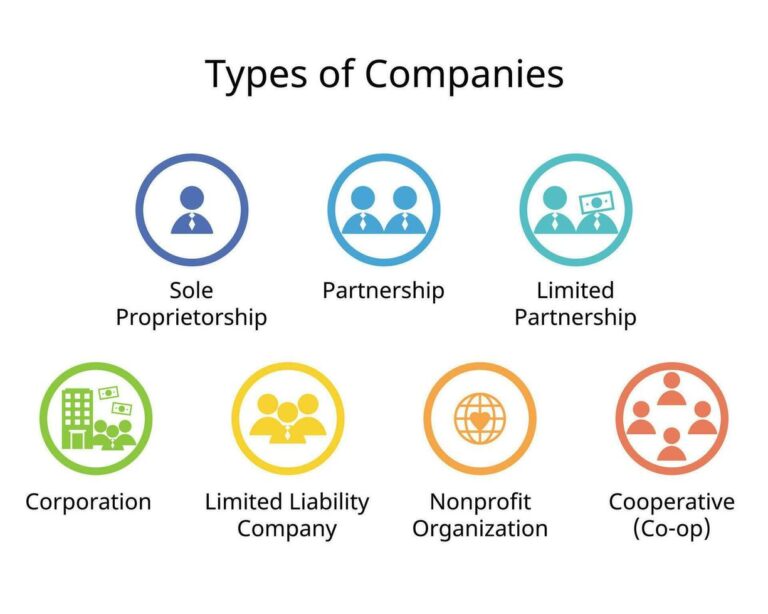
Types of Company Registration in India
India offers several business structures for entrepreneurs depending on their business goals, ownership structure, and compliance requirements. Choosing the right type of company registration is important for legal protection, taxation, and business growth. Below are the most common types of company registration in India.
Private Limited Company
A Private Limited Company is one of the most popular business structures in India, especially for startups and growing businesses. It requires a minimum of two directors and two shareholders. The company has a separate legal identity and provides limited liability protection to its owners.
Key Features
Minimum 2 directors required
Limited liability protection
Separate legal entity
Suitable for startups and growing businesses
Limited Liability Partnership (LLP)
A Limited Liability Partnership (LLP) combines the benefits of a partnership firm and a company. In an LLP, partners have limited liability, which means their personal assets are protected from business liabilities.
Key Features
Minimum 2 partners required
Limited liability for partners
Flexible management structure
Lower compliance requirements
One Person Company (OPC)
A One Person Company (OPC) is designed for entrepreneurs who want to start and run a business alone. It allows a single individual to operate a company with limited liability protection.
Key Features
Only one director and shareholder required
Limited liability protection
Suitable for solo entrepreneurs
Simple business structure
Section 8 Company
A Section 8 Company is a non-profit organization formed to promote social causes such as education, charity, environment protection, and social welfare. These companies do not distribute profits among members.
Key Features
Non-profit organization
Focus on social or charitable activities
Tax benefits available
Registered under the Companies Act, 2013
Partnership Firm
A Partnership Firm is formed when two or more individuals agree to run a business together and share profits and losses. It is one of the oldest and simplest forms of business in India.
Key Features
Minimum 2 partners required
Easy to start and manage
Low registration cost
Suitable for small businesses
Documents Required for Company Registration in India
To complete the company registration process in India, certain documents must be submitted to the Ministry of Corporate Affairs (MCA). Proper documentation ensures a smooth and faster registration process.
Essential Documents Required
PAN Card of directors and shareholders
Aadhaar Card or valid identity proof
Address proof (Electricity bill / Bank statement)
Passport-size photographs
Registered office address proof
Rent agreement and NOC from the property owner (if rented property)
Benefits of Company Registration in India 2026
• Limited liability protection
• Legal recognition
• Easy funding opportunities
• Better credibility
• Tax benefits
Step-by-Step Company Registration Process in India 2026
The company registration process in India is completed through the Ministry of Corporate Affairs (MCA) portal. The entire process is now online and can usually be completed within a few working days.
Step-by-Step Process
Step 1 – Digital Signature Certificate (DSC)
Directors must obtain a Digital Signature Certificate to sign electronic documents during the registration process.
Step 2 – Director Identification Number (DIN)
Directors must apply for a DIN which is required to legally operate a company.
Step 3 – Company Name Approval
The company name must be approved by the MCA to ensure it is unique and not similar to existing companies.
Step 4 – Filing SPICe+ Form
The SPICe+ form is submitted with all required documents for company incorporation.
Step 5 – Certificate of Incorporation
Once the application is verified and approved, the MCA issues a Certificate of Incorporation, officially registering the company.
FAQs on Company Registration in India
How many days does company registration take in India?
Company registration in India usually takes around 7 to 10 working days depending on document verification and approval from the Ministry of Corporate Affairs (MCA).
What is the cost of company registration in India
The cost of company registration in India depends on business type and government fees.
Is GST mandatory after company registration?
GST registration is mandatory if the business turnover exceeds the prescribed GST limit or if the business falls under compulsory GST registration categories.
What documents are required for company registration in India?
Documents required for company registration in India include PAN, Aadhaar, address proof, and bank details.
How can I register a company in India in 2026?
You can register a company online through the MCA portal using the SPICe+ form.
Can I register a company online?
Yes, the entire process is online through the MCA portal.